
Patience Is a Practice
What a cellar (or wine fridge) full of bottles you can't open yet teaches you about living in the present and trusting the future.

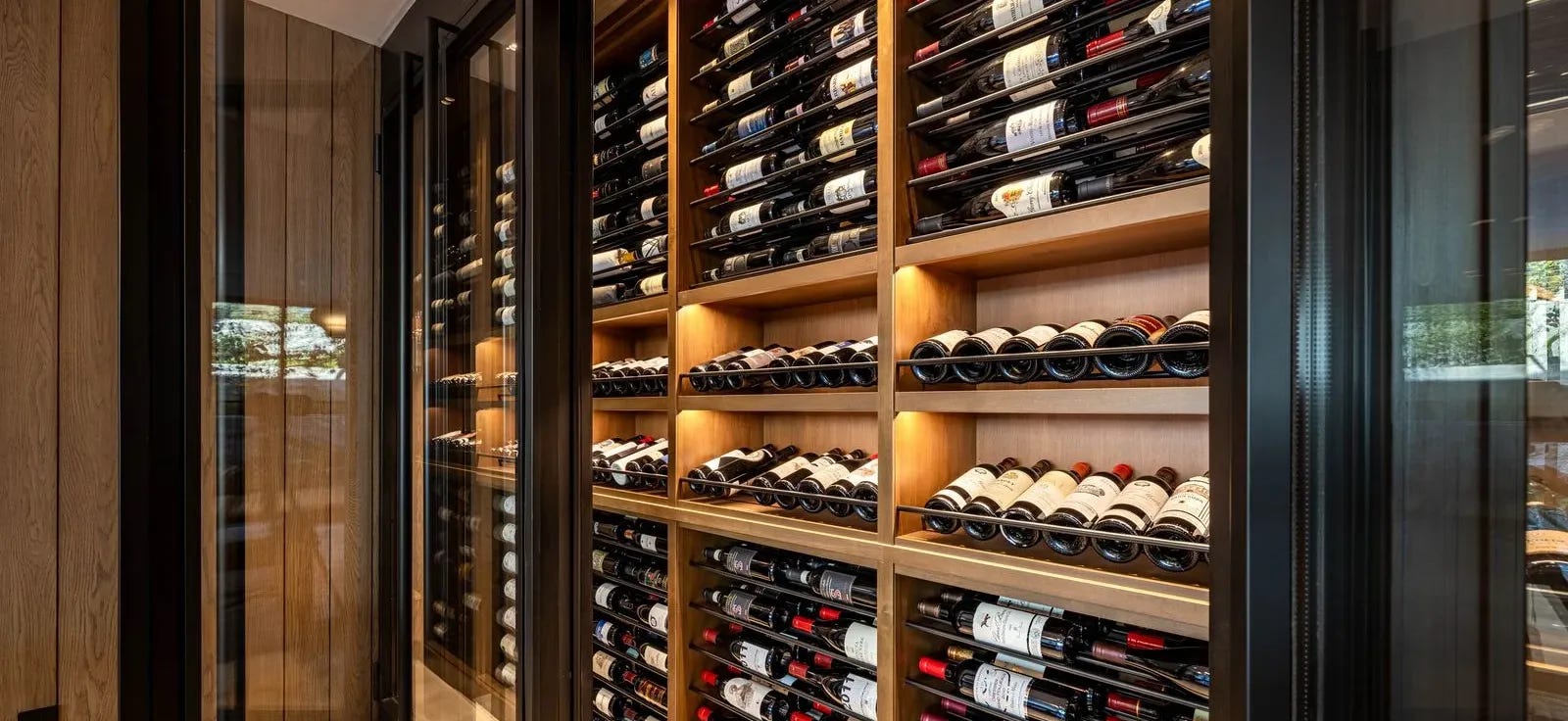
There is a bottle in our cellar we have been moving for ten years. It came with us from one house to the next, through a cross-country relocation, through two homes we longer live in. It sits now in the back corner of a temperature-controlled cabinet, behind more recent acquisitions, quietly doing what good wine does; becoming something we cannot yet fully imagine.
We haven’t yet opened it. I’m not sure when we will. And I’ve come to understand that this is not a problem, it is, in fact, the whole point.
We live in a moment that rewards immediacy. Streaming replaced waiting for the next episode for a week. Same-day delivery replaced the anticipation of ordering something and not knowing exactly when it would arrive. Notifications arrive before we've had time to wonder. The space between wanting and having has been compressed almost to nothing, and we have accepted this as progress.
Wine disagrees. Not because it is old-fashioned, and not because the people who love it are antagonists, but because certain bottles are genuinely, chemically incapable of being rushed. A young Barolo doesn't soften its tannins on demand. A Burgundy from a great vintage doesn't integrate its acidity because you've decided you're ready. The wine moves on its own schedule. You can wait, or you can drink something that isn't ready. Those are your options.
This is one of the quiet lessons a cellar offers, that some things are not yours to control.
The Discipline of Not Yet
When I bought that bottle as a gift for Doug, a left-bank Pauillac from a producer I’d read about for years, finally found at a small importer in New York, I was told not to touch it for at least a decade. At the time, ten years felt like an abstraction. I was in my early forties. A decade was a long time. Now, on the other side of it, I understand what the winemaker understood when they made it, that patience isn’t passive. It’s a daily decision.
Every time I open the cabinet and see that bottle, I make a small choice. Not today. Not because I can’t, but because I’m choosing to honor what the wine is still becoming. This is different from procrastination. It’s different from avoidance. It requires genuine faith. In the wine, in the producer, in the conditions of storage, and in the idea that the future is worth tending to even when you can’t see it clearly.
"The cellar is not a place where wine waits for you. It is a place where you learn to wait for it."
That distinction matters. Most of the waiting we do in modern life is involuntary. We wait for results, for responses, for things outside our control to resolve themselves. Cellaring a bottle is chosen waiting. Deliberate waiting. The kind that, when practiced regularly, begins to reshape how you move through time.
What the Cellar Teaches
I’ve spoken with collectors who describe their cellars with a tenderness that surprises people unfamiliar with wine. Not because they’re precious about their possessions, but because a cellar is, in a sense, a record of who you were when you made those purchases, and a bet on who you’ll be when you finally open them.
There is something quietly profound about buying a bottle for a future self you can only guess at. You are thirty-eight, standing in a shop, choosing a wine to drink at fifty. You don’t know what your life will look like then, who will be at the table, what you’ll have been through in the intervening years. You are practicing a kind of optimism. Not naïve optimism, but the grounded, considered kind. The kind that says: I believe there will be a table. I believe there will be people worth sharing this with. I believe the future is worth preparing for.
This is intentional living in one of its most tangible forms. Not an app, not a journal prompt, not a productivity framework. Just a bottle in a dark cabinet, asking you every time you look at it whether you’re willing to wait for what you actually want.
On Drinking Too Early
I have opened bottles before their time. We all have. Sometimes out of impatience, sometimes because the occasion felt right, sometimes because someone at the table was curious and I didn’t have the heart to disappoint them. And there is always the same experience; the wine is technically fine, perhaps even good, but there is a quality of incompleteness to it. A roughness that hints at what it will become. You can taste the potential, and that is its own kind of frustration.
The wine wasn’t wrong. You were early.
Life offers versions of this same experience regularly. The project launched before it was ready. The conversation forced before both people were prepared for it. The decision made from impatience rather than clarity. In each case, the ingredients were present but the time hadn’t done its work yet. Patience isn’t just about waiting. It’s about trusting that time itself is doing something useful, even when you can’t observe it.
The Practice
I’m not suggesting everyone needs a cellar or proper wine fridge. The lesson doesn’t require one. What it requires is a willingness to identify something in your life, a project, a relationship, a skill, an ambition, and consciously, deliberately choose not to rush it. To check on it regularly, to tend to the conditions around it, and to resist the pull toward immediate consumption that our culture makes so easy to give into.
The bottle in our temperature-controlled wine cooler will be opened eventually. I don’t know when. We’ll know when the time feels right. Not because we decided it should be, but because something will shift and we’ll understand that the waiting has done what it needed to do. That, too, is a form of attentiveness. Knowing when to finally stop waiting and simply drink.
The Next Vintage is a newsletter about wine, travel, and the art of living with intention. If this piece resonated, share it with someone who knows how to wait for what matters.