

Same Grape, Different Voice: Decoding Syrah and Shiraz

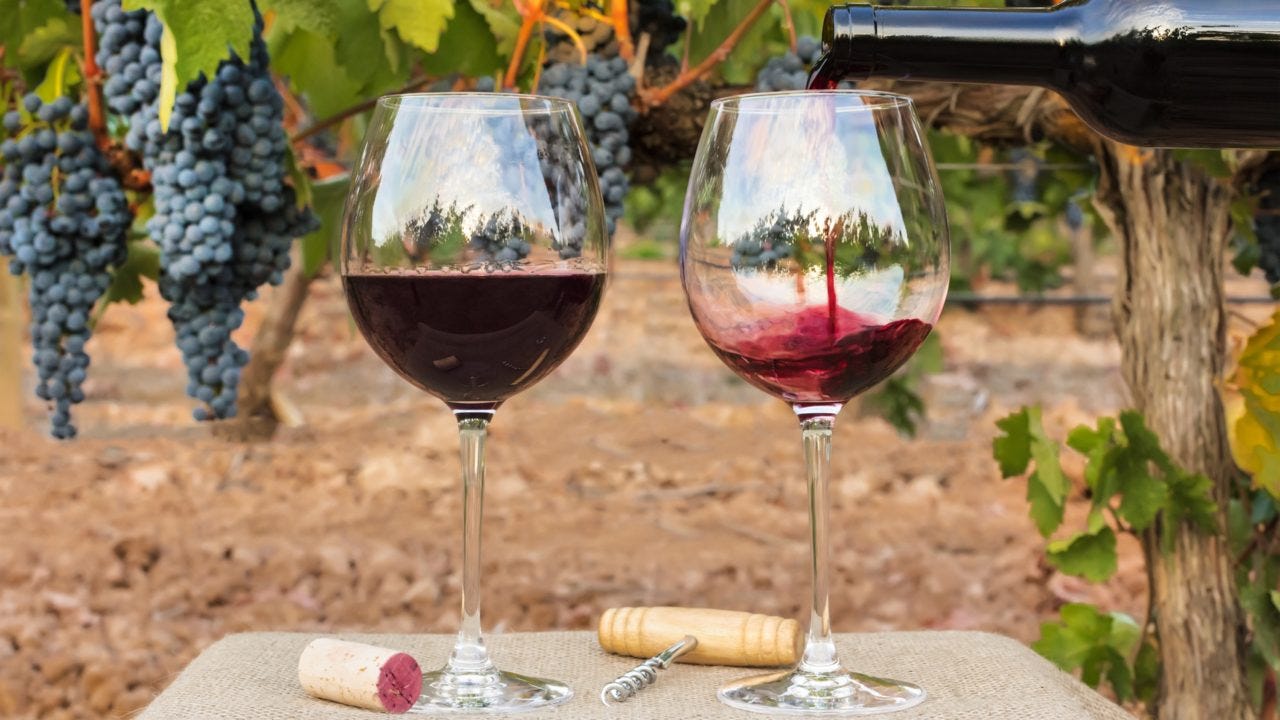
Ever paused at a wine list, eyeing Syrah and Shiraz, and wondered if you’re looking at two different wines, or the same one in disguise? You’re not alone. This classic case of “same grape, different voice” opens the door to one of wine’s most interesting stories where place, style, and personality transform a single varietal into two distinctly different experiences in the glass.
Syrah and Shiraz are genetically the same grape, but in practice they often feel like two distinct interpretations shaped by place, climate, and winemaking philosophy. For experienced wine drinkers, the distinction is less about nomenclature and more about stylistic intent. “Syrah” is most closely associated with France and the northern Rhône Valley, where the emphasis is on structure, aromatic precision, and savory complexity. “Shiraz,” by contrast, is most commonly used in Australia, where warmer growing conditions and a more generous stylistic approach tend to produce riper, more fruit-driven expressions. Increasingly, however, producers around the world are blending these identities, using the label as a signal of style rather than origin alone.
At its core, the grape is capable of producing deeply colored, full-bodied wines with significant structure and aging potential. In cooler climates, Syrah typically shows a more restrained profile, with blackcurrant and blackberry layered alongside cracked black pepper, violet, olive tapenade, and smoked meat. With age, these wines can evolve into more complex savory tones of leather, cured meats, and dried herbs, always underpinned by firm tannic structure and a sense of tension. In warmer regions, Shiraz shifts toward a more opulent expression, where ripe plum, blueberry, and blackberry compote are accented by chocolate, licorice, and baking spice. The texture is often rounder, the fruit more immediate, and the wines generally more approachable in youth, though top examples still reward cellaring.
In the northern Rhône, particularly in appellations such as Hermitage and Côte-Rôtie, Syrah is defined by precision and longevity. Granite and schist soils combined with a continental climate yield wines that are less about overt fruit and more about detail, structure, and savory complexity. Hermitage tends to produce broad, powerful wines that require time to fully integrate, while Côte-Rôtie is often more aromatic and lifted, sometimes co-fermented with Viognier, adding floral nuance and textural lift.
In contrast, Australia’s benchmark regions, including Barossa Valley and McLaren Vale, showcase Shiraz in a more generous and expressive style. Warmer temperatures promote full phenolic ripeness, resulting in dense, concentrated wines with plush textures and pronounced fruit character. Barossa Shiraz is often powerful, rich, and oak-influenced, with a signature combination of dark fruit and sweet spice, while McLaren Vale tends to offer a slightly more balanced profile with a touch of coastal freshness. These wines are typically more accessible in their youth but can develop significant complexity over time.
Beyond these traditional benchmarks, Syrah/Shiraz has become increasingly global. In the United States, particularly in California and Washington, styles range from restrained, Rhône-inspired bottlings to richer, more fruit-forward interpretations depending on site and winemaking approach. South Africa has emerged as a particularly dynamic source, often balancing Old World spice with New World ripeness, while Chile continues to gain attention for cooler-site Syrah that emphasizes freshness, structure, and pepper-driven aromatics. In many of these regions, the decision to label a wine “Syrah” or “Shiraz” is increasingly intentional, communicating stylistic direction as much as origin.
Winemaking decisions further shape the final expression. Whole-cluster fermentation can enhance aromatic lift, spice, and structural framing, while oak choices—ranging from neutral vessels to new barrique—can either preserve purity or add sweetness and texture. Extraction levels play a major role in determining density and tannic weight, and in some traditional contexts, particularly in the southern Rhône, Syrah is also used in blends with Grenache and Mourvèdre, adding structure, color, and depth to the final wine.
Beyond its technical and regional identity, Syrah/Shiraz also carries a few quirks that make it especially distinctive. One of its most fascinating traits is its signature black pepper character, which comes from a compound called rotundone. Unlike most aroma compounds in wine, rotundone is perceptible at extremely low thresholds and not everyone perceives it the same way. Meaning two tasters can genuinely experience different aromatic realities from the same glass. This alone helps explain why Syrah can feel so divisive or compelling depending on the drinker.
The grape also has an unusual dual personality in how it expresses ripeness. In cooler sites, it can lean almost austere and savory, emphasizing olive, graphite, and pepper, while in warmer climates it can become plush and almost hedonistic, with jammy fruit and chocolate tones dominating. This range is part of what makes it so widely planted and stylistically flexible, but also why it resists simple categorization.
Perhaps most interestingly, Syrah/Shiraz has become something of a cultural mirror between Old World restraint and New World abundance. In the Rhône, it is often treated with seriousness and patience, built for aging and contemplation. In Australia, it became something more extroverted and immediate—bold, generous, and expressive. Few grape varieties so clearly reflect not just terroir, but attitude.
A quintessential French Syrah comes from Hermitage, especially producers like Domaine Jean-Louis Chave, and on the Australian side, a classic Shiraz example is Barossa Valley, with iconic producers like Penfolds and their famed Penfolds Grange. Side by side, they highlight how the same grape expresses itself completely differently depending on where, and how, it’s made.
Ultimately, Syrah/Shiraz is one of the most versatile red grapes in wine, capable of spanning the spectrum from structured, savory elegance to powerful, fruit-driven richness. Tasting across that range from northern Rhône precision to Barossa Valley intensity remains one of the clearest ways to understand how profoundly place and philosophy can shape the same grape into entirely different experiences.
I love your descriptions of each style! A couple somms in my tasting group also reference eucalyptus/minty herbal qualities as markers of Aussie Shiraz (whereas Rhone can lean more sage)...I think it was a helpful note when trying to separate them blind. (And gosh I love the northern Rhone examples; so wish the price point was closer to Barossa Valley, alas!...).