
Sémillon: One Grape, Two Completely Different Stories…and Wine Regions

There are very few grape varieties that can convincingly produce both one of the world’s greatest dessert wines and one of the world’s most distinctive dry white wines. Sémillon is one of them.
Despite its long history and remarkable versatility, Sémillon rarely enjoys the spotlight. It lacks the instant recognition of Chardonnay or Sauvignon Blanc, and its youthful wines can appear understated. Yet for those willing to explore it, Sémillon offers some of the most rewarding drinking experiences in the wine world.
What fascinates me most about Sémillon is that the same grape can tell two entirely different stories depending on where it is grown. Nowhere is this more evident than in Bordeaux, France, and Australia’s Hunter Valley.
Bordeaux: Richness, Texture, and Noble Rot
Sémillon has been part of Bordeaux’s winemaking tradition for centuries. Here, it performs two very different roles.
The first is as the structural backbone of dry white Bordeaux. While Sauvignon Blanc often grabs attention with its bright citrus and herbaceous aromas, Sémillon quietly contributes texture, weight, and longevity. Together they create wines that are far greater than the sum of their parts.
Young dry Bordeaux often shows citrus, pear, white peach, and melon, wrapped in a creamy, almost waxy texture. Premium examples are frequently fermented or aged in oak, adding subtle notes of vanilla, toasted almonds, and spice. With time in bottle, those fresh fruit flavors gradually evolve into honey, beeswax, lanolin, and roasted nuts.
But Sémillon reaches its greatest expression in Bordeaux’s sweet wines.
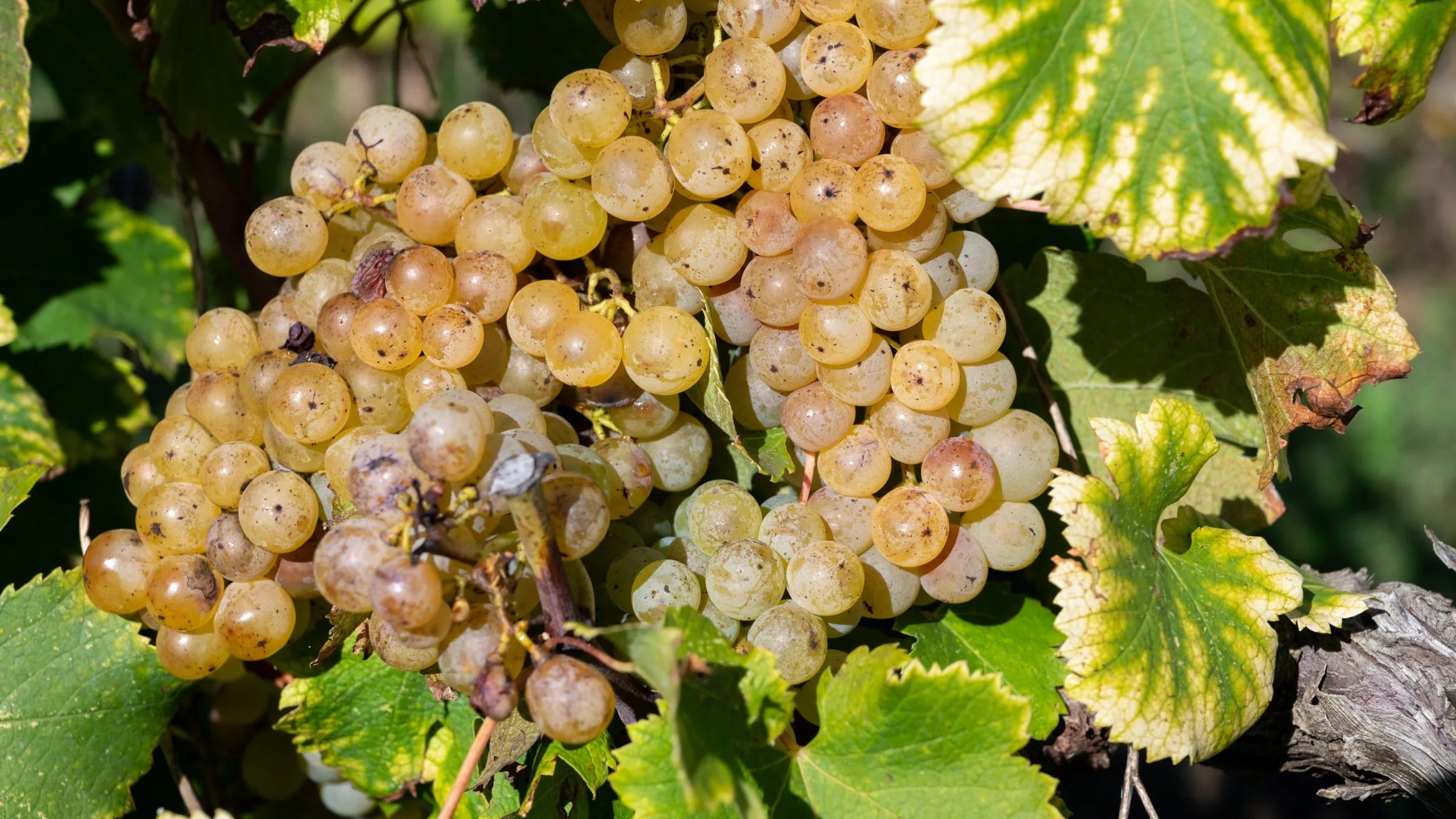
Its thin skin makes it especially susceptible to Botrytis cinerea, better known as noble rot. Under the right autumn conditions, the fungus gently dehydrates the grapes, concentrating sugars, acids, and flavors while creating extraordinary complexity.
The resulting wines are intensely sweet but beautifully balanced. Layers of apricot, marmalade, saffron, honey, tropical fruit, and caramel unfold over a vibrant acidity that prevents them from ever becoming cloying. The finest examples can continue evolving for decades, rewarding patience with astonishing depth and elegance.
Hunter Valley: Simplicity That Defies Expectations
Travel halfway around the world to Australia’s Hunter Valley, and Sémillon becomes an entirely different wine. Here, the grape is almost always bottled on its own. The vines are picked early, wine is bottled young, rarely see oak, and often contain only 10–11% alcohol. By today’s standards, they can seem almost minimalist.
Pour a young Hunter Valley Sémillon into a glass and you might wonder what all the fuss is about. The aromas are restrained—lemon, lime, green apple, fresh herbs, perhaps a hint of wet stone. The palate is crisp, light-bodied, and driven by bright acidity rather than fruit intensity.
It is not a wine trying to impress you in its youth. Instead, it asks for something increasingly rare in modern wine: patience.
The Magic Happens in the Bottle
One of the greatest mysteries in wine is what happens to Hunter Valley Sémillon after several years in the cellar.
Without oak and despite its modest alcohol, the wine slowly transforms. Fresh citrus evolves into lemon curd, toast, beeswax, honey, roasted nuts, and brioche. The texture becomes richer while the acidity remains remarkably vibrant.
The first time you taste a ten-year-old Hunter Valley Sémillon blind, it is almost impossible to believe it has never seen a barrel. It is one of wine’s quiet miracles.
One Grape, Two Philosophies
Comparing Bordeaux and Hunter Valley Sémillon is less about identifying which style is “better” and more about appreciating how dramatically place shapes wine.
Bordeaux embraces richness, blending, texture, and, in its sweet wines, the transformative power of noble rot.
Hunter Valley celebrates restraint, purity, freshness, and one of the most remarkable examples of bottle evolution found anywhere in the wine world.
Both styles reward aging. Both develop those unmistakable honeyed and beeswax characteristics. Yet they arrive there by completely different paths.
That’s what makes Sémillon such an endlessly fascinating grape.
What Should You Try?
If you’re new to Sémillon, I’d recommend tasting three wines side by side:
A young dry Bordeaux Blanc to understand Sémillon’s role in classic blends.
A mature Hunter Valley Sémillon (if you can find one with at least five to ten years of bottle age) to experience its extraordinary transformation.
A sweet botrytised Bordeaux to discover why Sémillon is responsible for some of the world’s most celebrated dessert wines.
Together, they tell one of the most compelling stories in wine—a reminder that grape variety is only one chapter. Climate, soil, harvest decisions, and time all leave their mark.
Sémillon may never become the trendiest white grape on the shelf. But perhaps that’s part of its charm. It rewards curiosity over fashion, patience over immediacy, and reminds us that some of wine’s greatest pleasures are found in the varieties that don’t shout the loudest.