

Food & Wine Wednesday: The Easter Table
A glazed ham, a misunderstood grape, and the case for drinking better this spring

Easter is around the corner, and if your table looks anything like ours, a Maple Glazed Ham is already in the plan. For wine, this year landed in two very different, very rewarding places. One white, one red, both wildly underrated. Consider this your permission slip to drink something unexpected.
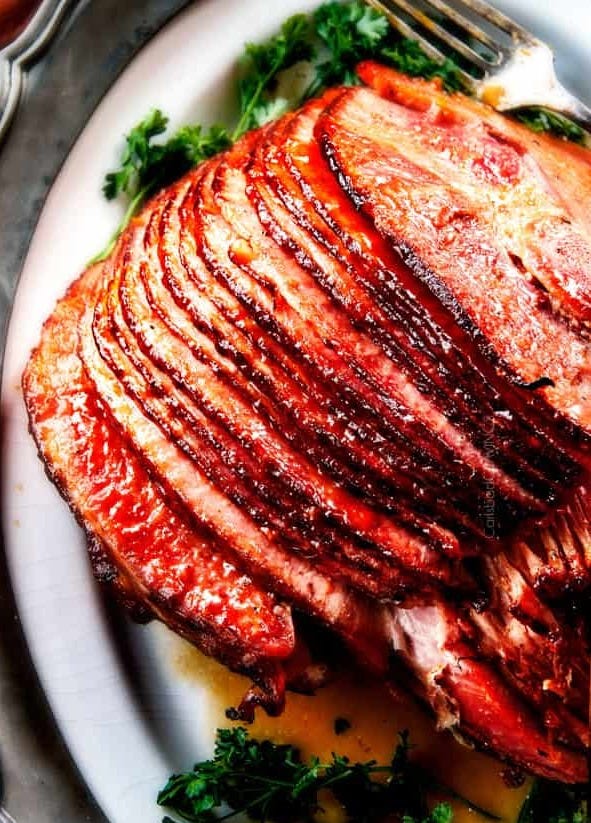
The Star of the Table: Maple Glazed Ham
There is something deeply satisfying about a glazed ham. The lacquered crust, the sweet-salt pull of the first slice, the way it anchors a table without demanding much of the cook. A good maple glaze, dark maple syrup, a hit of Dijon, maybe a little apple cider vinegar for balance, builds a caramelized exterior that is rich without being heavy, sweet without being too sweet. It is, in short, one of the more wine-friendly centerpieces you can put on an Easter table. The sweetness of the glaze calls for a wine with a little residual sugar to match it, and the saltiness of the ham begs for something with acidity to cut through. Which brings us to Riesling.
The White Pairing: Off-Dry Riesling
Let’s Talk About the Reputation
Riesling has a problem and the problem is entirely undeserved. For decades it has been lumped in with sugary, forgettable whites, dismissed at dinner parties, passed over on wine lists in favor of whatever Chardonnay happens to be in fashion. Mention Riesling at a table and someone will wrinkle their nose. Too sweet, they’ll say, usually having last tasted one from a gas station in 1997.
Here is the truth: Riesling is one of the greatest white wine grapes on the planet. It is capable of extraordinary range from bone dry to lusciously sweet, from steely and mineral to floral and honeyed, and it ages with a grace that most whites can only dream of. The grape is transparent in a way few others are, faithfully transmitting the character of wherever it’s grown, whether that’s the steep slate slopes of the Mosel, the limestone-rich soils of Alsace, or the cool Clare and Eden Valleys of South Australia.
Why Off-Dry Works Here
For the Easter ham, you want an off-dry style meaning a wine with a touch of residual sweetness, just enough to meet the maple glaze halfway. This is not a dessert wine. It is a wine with enough sugar to soften and harmonize, and enough acidity (and Riesling’s acidity is electric) to keep everything bright and alive on the palate. The combination is almost alarmingly good with glazed pork.
Look for a German Spätlese from the Mosel or Rheingau, where the wines carry that signature tension between sweetness and nerve. An Alsatian Riesling with a touch of residual sugar works beautifully too, bringing a little more body and stone fruit to the glass. If you want something closer to home, seek out a dry-to-off-dry Riesling from the Finger Lakes in New York, a region that has been quietly producing some of the most exciting Riesling in the world. Seriously.
The pairing works because the wine doesn’t fight the food. It joins it. The sweetness echoes the glaze, the acidity cuts the fat, and the wine’s aromatic lift, that signature Riesling perfume of white peach, lime blossom, and wet slate, makes every bite taste a little more like spring.
What to look for: Mosel Spätlese, Alsace Riesling, or a Finger Lakes off-dry Riesling. Serve cold (around 45°F).
The Red Pairing: Beaujolais Gamay
The Other Misunderstood Grape
If Riesling suffers from an image problem, Beaujolais has been fighting a longer and more complicated battle. The region’s association with Beaujolais Nouveau the light, banana-scented wine released every November with considerable fanfare and consumed with considerable haste, cast a shadow over the serious, terroir-driven wines being made in the crus of the northern Beaujolais for decades. The crus — (Morgon, Moulin-à-Vent, Fleurie, Brouilly, and the rest) deserve to be spoken of in the same breath as good Burgundy. Sometimes they are better.
Gamay, the grape of Beaujolais, is a joy. It is light to medium in body, low in tannin, high in acidity, and bursting with red fruit like cherry, raspberry, a little cranberry, with an earthy, almost mineral quality in the better examples that gives it real depth. It is one of the most versatile food wines in existence, and it is almost always priced at a fraction of what it is worth.
Why It Works at Easter
The ham’s saltiness and the richness of the glaze call for a red that refreshes rather than overwhelms. A big, tannic Cabernet would bulldoze the dish. Gamay dances with it. The wine’s bright acidity and fruit-forward character complement the sweetness of the maple without competing, and its lighter body means it won’t leave you reaching for water between every sip.
A cru Beaujolais, particularly a Morgon or a Fleurie, brings enough structure to feel serious at the table while remaining generous and approachable. Serve it with a slight chill, around 55°F, and watch the skeptics at the table quietly reach for a second glass before they’ve finished defending their preference for something bigger.
What to look for: Morgon for earthiness and depth, Fleurie for elegance and floral lift, Brouilly for something a little lighter and fruit-forward. All are excellent with ham. Serve slightly chilled.
The Short Version
You don’t need to overthink Easter in the glass. You need one wine that meets the sweetness of the glaze and one that refreshes alongside the richness of the meat. An off-dry Riesling and a cru Beaujolais Gamay do exactly that and both are worth revisiting if they’ve been off your radar. The ham deserves better than whatever’s leftover from last weekend. So do you.
Wherever your Easter table lands this year — big family gathering, quiet Sunday, or somewhere in between — we hope the food is good, the glass is full, and the company is worth the drive.